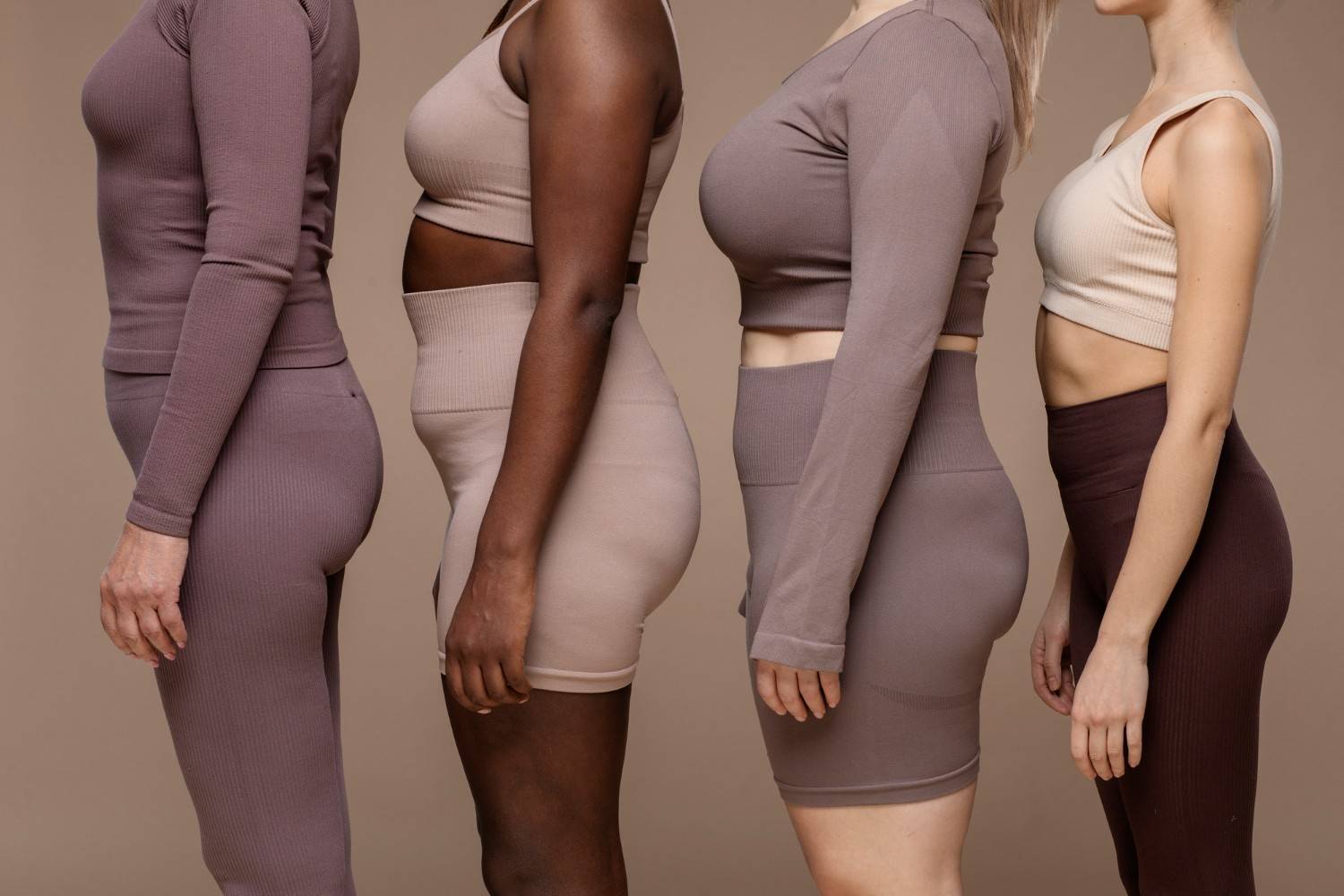
Reaching a massive weight loss milestone is a life-changing achievement. It requires immense dedication, unwavering discipline, and a complete overhaul of your daily nutrition and fitness programs. Whether you achieved it through diet and exercise or with the help of bariatric surgery, reaching your ideal weight is a monumental victory. However, many people who reach their goal are surprised to discover that their physical transformation is not yet over.
Losing a significant amount of weight in a short period often leaves behind a different set of challenges, particularly when it comes to inelastic excess skin that no amount of cardio or weight lifting can resolve. Navigating these ongoing body changes is a critical phase of your wellness journey.
1. The physiological impact of massive weight loss
When you are overweight for a long period of time, your skin stretches to accommodate the underlying fatty tissue. Once that weight is lost quickly or significantly, the skin often lacks the collagen and elastin needed to fall back into place. The chest is an area frequently affected by these rapid changes, leading many patients to explore areola reduction surgery along with comprehensive lift procedures to restore natural proportion. Factors such as age, genetics, and the total amount of weight lost play a huge role in overall skin recovery. For many, this results in heavy folds of tissue that mask newly toned muscles and create unexpected daily challenges.
The impact of this sagging skin goes far beyond simple aesthetics or vanity. According to Yale Medicine clinical guidance, surgical intervention is often necessary because severe skin folds can lead to ongoing physical problems. These problems include extreme discomfort, difficulty walking, and painful rashes or ulcers between skin folds. Recognizing that these problems are genuine medical realities is the first step in finding a lasting solution that improves your comfort and mobility on a daily basis.
2. Personalized surgical options for body contouring
To properly address the physical remains of extreme weight loss, many people eventually turn to specialized contouring and reconstructive procedures. These treatments are highly personalized and focus on removing excess tissue and reshaping the underlying support structures to better reflect your true, healthy size. Consulting with a specialist is essential to determine which interventions align with your personal goals and physical condition.
Because each person gains and loses weight differently, the procedures required will vary from patient to patient. A comprehensive body contouring plan may include several different surgical approaches over time. Some of the most sought after options include:
- Abdominoplasty: Commonly known as abdominoplasty, this procedure removes protruding abdominal skin, known as pannus, and tightens weakened abdominal muscles to create a firmer core.
- Brachioplasty: An arm lift designed to reduce loose, hanging skin that often develops in the armpits after a major weight reduction, allowing shirts to fit properly.
- Thigh lift: A surgical option that reshapes the inner or outer thighs by reducing excess skin and fat, allowing for much more comfortable movement and irritation-free exercise.
- Breast lift: Massive weight loss almost always leads to sagging, deflated breasts. Surgeons can safely remove excess skin, lift breast tissue, and restore a youthful contour.
During these remodeling procedures, restoring natural proportions is very important to achieve a harmonious result. Highly refined adjustments help finalize the physical transformation, allowing the body to accurately reflect the patient’s improved internal health.
3. Rebuild confidence and mental well-being
While the physical relief of removing heavy skin folds is virtually immediate, the psychological benefits of body contouring are equally profound. Many people who have lost a lot of weight still struggle with body dysmorphia or poor body image simply because their reflection in the mirror does not match the immense effort they have put into their daily routines.
Taking proactive steps to perfect your figure can be an incredibly empowering experience. In fact, tracking psychological milestones is just as crucial as noting physical ones, similar to how therapists use structured assessments like SOAP notes to monitor emotional progress and increased confidence over time. When the physical reminders of your previous size are finally removed, it becomes much easier to engage in active hobbies, wear tailored clothing comfortably, and genuinely appreciate your hard work.
4. Accepting the final stage of your journey
Ultimately, the goal of contouring after weight loss is comprehensive self-care. It is about enhancing your natural characteristics, relieving physical burdens and restoring a high quality of life rather than chasing an artificial standard of perfection. Consulting with a highly accredited specialist plastic surgeon can give you a clear roadmap of what is possible for your specific body type and lifestyle.
By combining your new healthy lifestyle with targeted surgical support, you will be able to successfully navigate these body changes and move into the future feeling balanced, comfortable, and remarkably confident.